You type your zip codes into a moving rates calculator, pick “2 bedrooms,” and a number appears on the screen. It looks official. It feels like an answer. Then a mover gives you a quote that is hundreds of dollars higher, or lower, and you wonder which one to believe.
A moving rates calculator is a useful starting point, but it is only as good as the information you feed it. Used well, it helps you set a realistic budget and spot a quote that doesn’t add up. Used carelessly, it gives you false confidence.
This guide explains what a moving rates calculator actually does, how to get a better estimate out of one, and why the final number from a professional mover often looks different.

What a Moving Rates Calculator Actually Does
Most online calculators work from a short list of inputs: where you are moving from and to, the size of your home, and sometimes your move date. They plug those inputs into an average. That average is built from typical moves, not your move.
That is the core limitation. A calculator cannot see your stairs, your antique dresser, your basement full of boxes you forgot about, or the narrow driveway where a truck cannot park. It gives you a ballpark, and the ballpark can be wide.
Think of it the way you would think of a mortgage calculator. It tells you roughly where you stand, but you would never sign a loan based on it alone.
How Moving Rates Are Usually Built
Before you can judge any estimate, it helps to know what goes into moving rates. Pricing varies from company to company, so always ask a mover exactly how they calculate theirs. In general, these are the main pieces.
Labor and crew size
For many local moves, the largest part of the cost is the time and manpower needed to load, transport and unload your belongings. More items, more stairs and longer carries all add time. A crew that works efficiently can finish sooner, which is why the cheapest hourly figure is not always the cheapest move.
Distance
A move across town is priced very differently from a move across state lines. Local moves are often built around time, while longer moves are commonly based on the size or weight of the shipment and the distance traveled. If you are relocating beyond the Cincinnati area, the structure of the quote may change entirely.
The volume of your belongings
Square footage tells a mover very little on its own. Two three-bedroom homes can hold completely different amounts of furniture. What matters is how much actually has to go on the truck. This is the number most calculators guess at, and it is the number most likely to throw an estimate off.
Packing and materials
If you pack everything yourself, you save on labor. If you ask the movers to pack, you are paying for their time plus supplies like boxes, tape and padding. Both are reasonable choices. They just change the total.
Specialty and heavy items
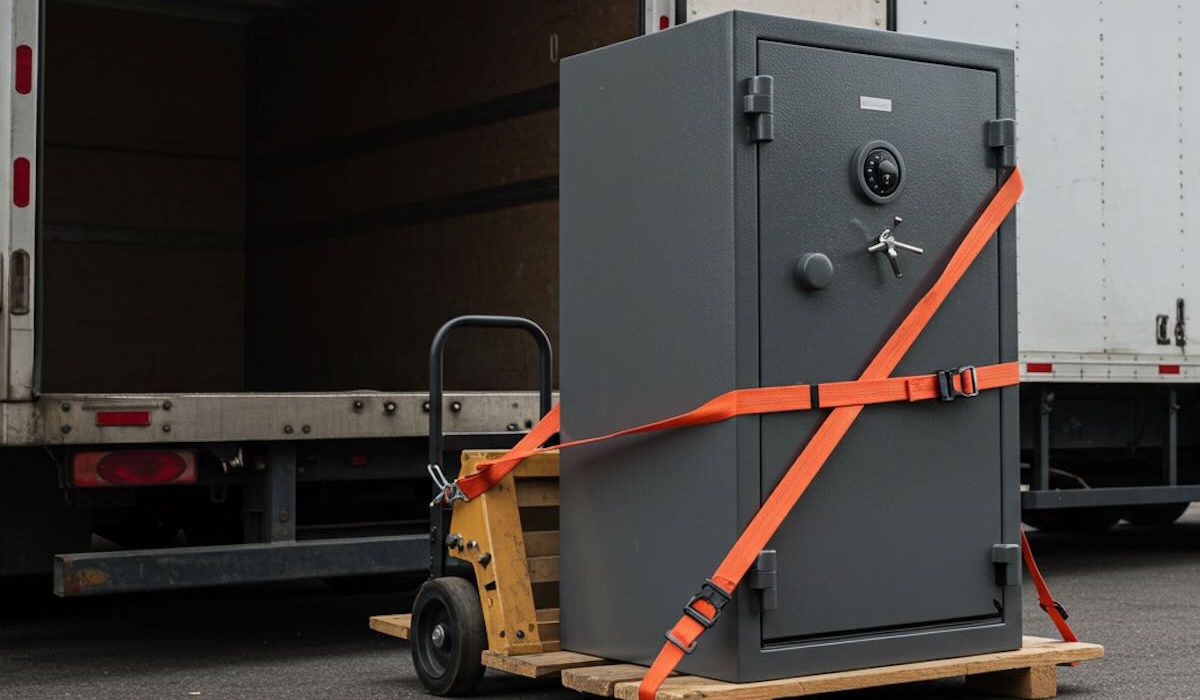
Pianos, gun safes, large appliances and oversized furniture need extra equipment and extra people. A calculator that asks only about bedrooms will not account for a safe in your basement. If you have one, mention it to the mover early so it is built into the quote. Elam & Sons handles both piano moving and safe moving as dedicated services for exactly this reason.
Timing
Moving costs and availability shift with the calendar. Weekends, the end of the month and summer are popular, and demand can affect both pricing and how soon you can book. Moving on a weekday in the fall or winter often gives you more flexibility.
Access at both addresses
Stairs, elevators, long walks from the door to the truck, tight parking and narrow hallways all slow a move down. This is especially relevant in older Cincinnati neighborhoods, where multi-level homes and hillside streets are common, and in downtown buildings where elevators may need to be reserved.

How to Get a More Accurate Estimate From Any Calculator
You cannot make a generic calculator perfect, but you can feed it better information. Here is how to get the most useful number.
Step 1: Do a quick inventory first
Walk through your home room by room and list the major pieces: beds, sofas, dressers, tables, appliances, desks. Then estimate the boxes. A rough count is fine. Do not forget the garage, attic, basement, shed and any storage unit. These are the spaces that most often cause an estimate to climb.
Step 2: Be honest about the size of the move
It is tempting to pick the smaller option. If you live in a two-bedroom apartment but have a lot of belongings, choose the size that matches how much stuff you actually own. An optimistic input produces an optimistic estimate, and optimism does not move furniture.
Step 3: Decide on packing before you calculate
Know whether you plan to pack yourself, hire help for part of it, or have the movers handle everything. If a calculator doesn’t ask, run the numbers both ways. The gap between the two is useful information. If you want to see what professional help involves, the packing services page explains how it works.
Step 4: Note every access challenge
Write down the number of flights of stairs, whether there is an elevator, how far the truck will need to park from the entrance, and whether there are any tight turns or narrow doorways. Mention these when you request a quote. They rarely appear in a calculator, but they affect the time the job takes.
Step 5: Flag the heavy and fragile items
List anything unusual, such as a piano, a safe, a pool table, a large aquarium, artwork or antiques. These items often need extra people or equipment, so they should never be a surprise on moving day.
Step 6: Run it more than once
Try a few different dates, sizes and packing options. If the results swing widely, that tells you the estimate is sensitive to those inputs, and you should treat the number as a range instead of a promise.
Why Your Estimate Might Be Off
Even with careful inputs, the calculator number and the final price can differ. These are the most common reasons.
The calculator is using averages
An average move is not your move. If your belongings are denser, heavier or more spread out than the typical household, the real cost shifts.
You underestimated what you own
Almost everyone does. People forget closets, shelves, garage storage and decorations. When a mover sees the actual volume, the estimate changes.
Hidden access problems
A long carry, a third-floor walk-up or a driveway the truck cannot enter can add real time. A calculator never sees these. A mover who visits or asks the right questions does.
Specialty items weren’t included
A safe or piano that was left off the form will change the plan, the crew and the price.
Optional services were left out
Packing, unpacking, disassembly, furniture protection and storage are often separate from the base figure. If a calculator quotes only the move itself, the total can look much lower than a full-service quote.
The date changed
If you move your date by a few weeks into a busier period, expect the price and availability to change.
The calculator is built to capture your contact info
Some online calculators are lead generators. They produce a low, attractive number so you will submit your details, and then the real quote arrives later. A very low estimate with no explanation should make you more cautious, not less.
Calculator Estimate vs. a Real Quote
This is the key distinction. A calculator gives you a range. A quote gives you a price based on your actual situation. They serve different purposes, and you need both.
Use the calculator to decide whether a move fits your budget, to compare what changes when you pack yourself versus hire help, and to know what to expect before you call. Use a quote to commit to a price, and to understand exactly what is and isn’t included.
When you request a quote, ask these questions:
- How is the price calculated for my type of move: by time, by weight, or as a flat rate?
- What is included, and what costs extra?
- Are packing materials included?
- Are there charges for stairs, long carries or heavy items?
- How is the move protected if something is damaged?
- Will the price change if the amount of belongings changes on moving day?
A reputable mover will answer these directly. If a company is vague about how it prices, that is worth noticing. Elam & Sons builds its approach around fair, accurate pricing given upfront, so the number you hear before the move matches what you expect on the day.
Local Move or Interstate Move: Why It Matters for Your Estimate
The type of move changes how you should read a calculator.
For a local move within the Cincinnati area, time and crew efficiency tend to matter most. Details like stairs, parking and how well things are packed can shift the total in a noticeable way. If you are staying in the metro area, the local moving page explains what the process looks like.
For a move across state lines, distance and the size of the shipment become bigger factors, and the estimate depends more heavily on an accurate inventory. Elam & Sons serves Ohio, Indiana and Kentucky, and the interstate moving page covers longer moves.
Ways to Bring Your Moving Costs Down
Once you have a realistic number, there are practical ways to lower it without cutting corners.
Declutter before you get a quote. Every item you donate, sell or discard is something you don’t pay to move. Do this first, then request your quote, so the estimate reflects the smaller load.
Pack what you can yourself. Packing is time-consuming, and handling it yourself reduces labor. Keep fragile and high-value items in mind, though, and consider professional help for those.
Choose a flexible date. If your schedule allows, a weekday outside peak season may offer better availability and pricing.
Prepare the space. Clear pathways, disassemble what you can, and have boxes sealed and labeled before the crew arrives. A move that starts organized finishes faster.
Get the details in writing. Know what the quote covers so there are no surprises later.
For a deeper look at saving money, see our guide to boxing and moving on a budget. If you want help sequencing the whole process, the 8-week Cincinnati moving checklist breaks it down week by week.
Red Flags in Any Moving Estimate
Watch for these warning signs when comparing numbers.
- A quote given with no questions asked. A mover who doesn’t ask about your belongings or access cannot price your move accurately.
- A price that is far below every other estimate. If one figure is dramatically lower than the rest, find out what is missing.
- No explanation of how pricing works. You should be able to understand the structure of what you are paying.
- Pressure to decide immediately. A fair quote will still be fair tomorrow.
- Reluctance to put details in writing.
What to Do With Your Calculator Number
Treat it as the first step, not the last. Write down the result, then add a cushion for the things a calculator cannot see. Compare it against real quotes from movers you are considering, and ask each one to explain any large difference. If you are working with a tight budget, ask what you can adjust, such as the date, the packing level or the amount you are moving, to bring the cost in line.
The goal is not to find the lowest number on a screen. It is to find a price you can rely on, from a company that will show up and handle your belongings carefully.
Get an Accurate Number for Your Cincinnati Move
A moving rates calculator can tell you what to expect in general, but only a real conversation can tell you what your move will cost. Elam & Sons Moving is a family-owned Cincinnati company serving Ohio, Indiana and Kentucky since 1976, and we give honest, upfront pricing based on your actual home and your actual belongings. Visit our local moving page to learn more, or call us (513) 321-0645 for a free quote.